Anonymous. Not invisible.
E.W. Lee is an author, not an influencer. The writer remains anonymous; the work stands on its own.
Writing about the things time cannot quite take.
E.W. Lee writes literary works about love, memory, place, longing, becoming, and the quiet connections that shape a life.
The work began with private writing: letters and poems that grew, over many months, into a body of work. That archive became Our World, a collection of poems and love notes, and it shaped the world of his first novel, Some Things Are Ours.
From there the writing found new forms. Short narrated readings carried it to readers far beyond the page, and original lyrics became songs and music videos. Each form is a different room in the same house.
He writes slowly and revises without apology, choosing permanence over popularity. The aim is simple and difficult: to leave behind work worth returning to.
Three letters, three generations.
Everett
For one grandfather.
William
For another.
Lee
A family name carried for generations.
The name connects the work to family history, and gives it a distinct identity of its own.
The mystery protects the work.
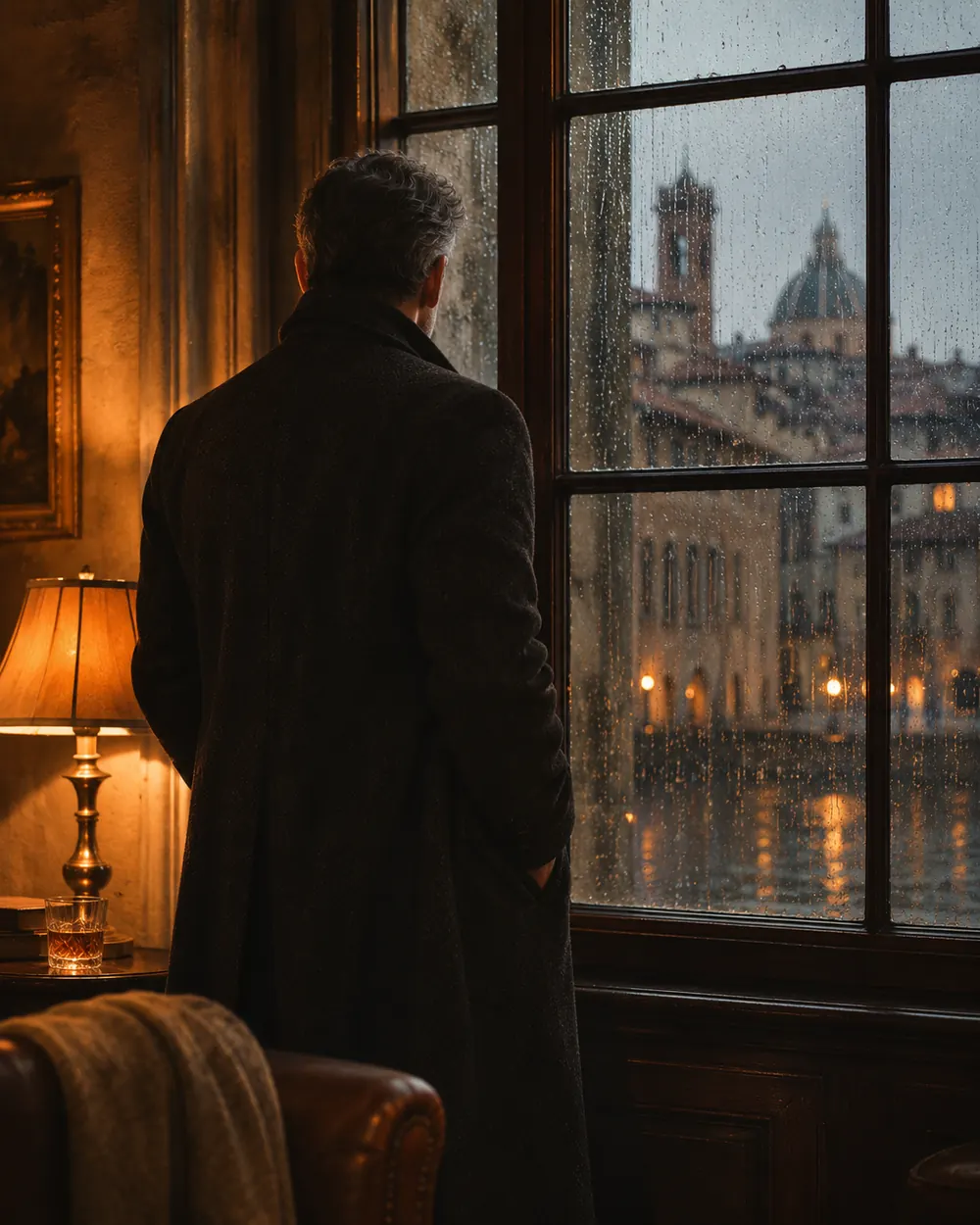
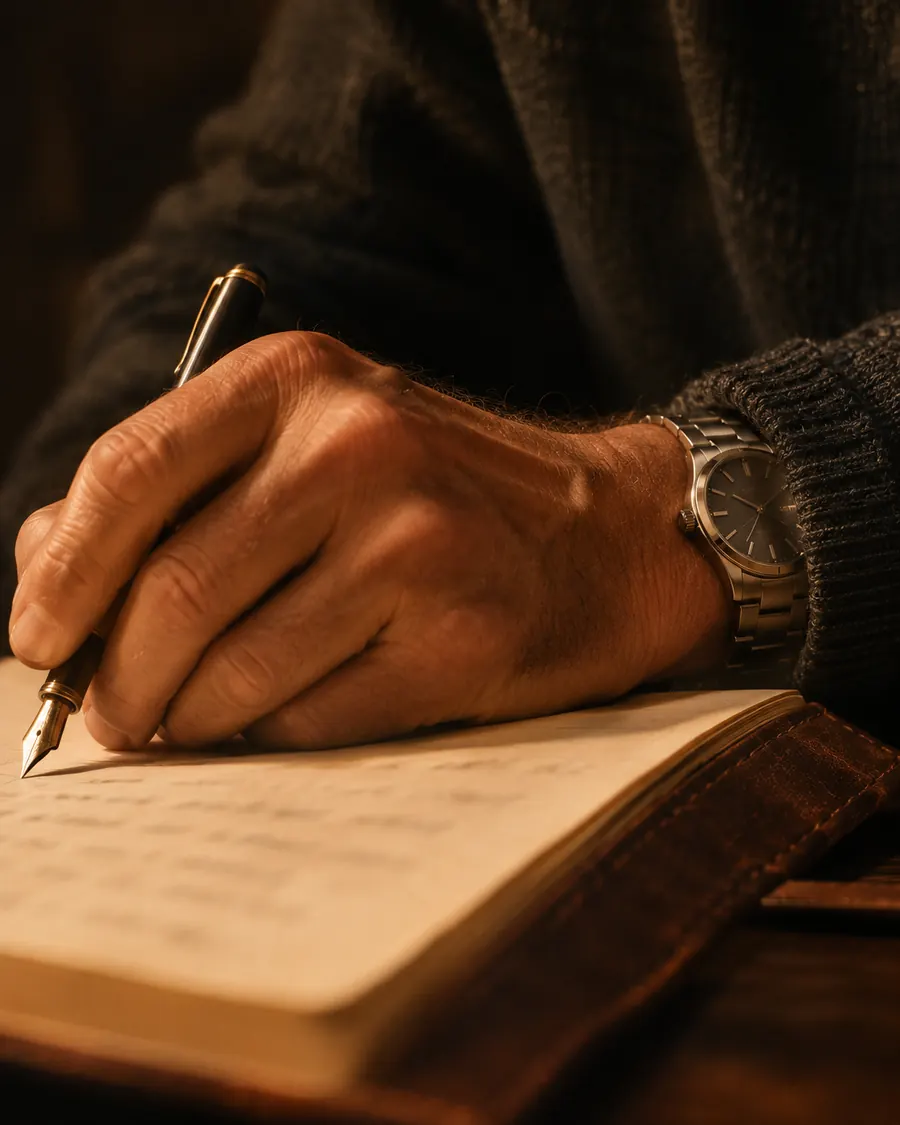
E.W. Lee is real, and readers are reminded of that from time to time: a hand on a page, a figure at a window, a voice reading aloud. But the work does not require his face, his biography or his private life in order to matter.
The people who inspire the writing remain private, always. The writing may reveal emotion; it does not surrender the lives from which it was born.
“Some things are ours. The rest belongs to the page.”
Some things are worth keeping.
Words should remain.
Write for resonance beyond the moment, not only attention within it.
Memory transforms ordinary things.
Meaning accumulates quietly.
Beauty does not need to shout.
Restraint is part of the language.
Mystery has value.
Not everything meaningful improves when explained.
The reader completes the work.
Recognition turns private experience into shared literature.
Some things belong only to us.
Privacy protects the space honest work comes from.
Would I still want this sentence to exist if nobody could like it?
The question asked of every piece before it enters the House.
Enter the work.

The Library
Poems, Pages, letters and scenes, room by room.
Enter
The Books
Our World and Some Things Are Ours, coming 2027.
See the books
The Music
Original lyrics and poems, set to music.
ListenFor brands, studios and producers: hire the voice behind the letters